
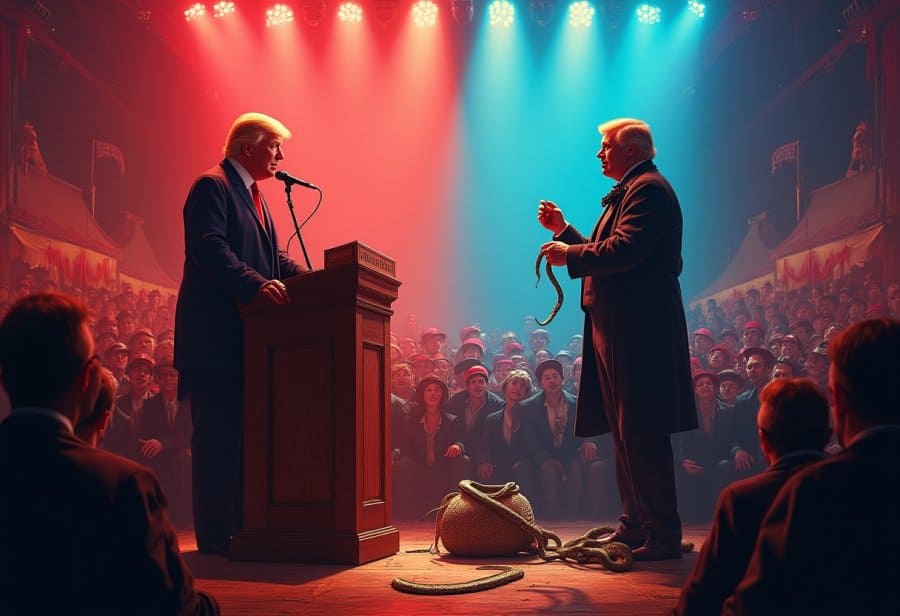
Why are Americans irresistibly drawn to charismatic figures who promise simple solutions to complex problems? From Clark Stanley’s theatrical snake oil at the 1893 World’s Fair to Donald Trump’s modern political spectacle, this pattern reveals a deep-rooted cultural obsession with showmanship and emotional appeal over substance. These leaders craft identities filled with symbolism, storytelling, and vivid visuals, forging bonds that often overshadow factual accuracy. But behind the allure lies a dangerous trap: reliance on spectacle can breed misinformation, deepen polarization, and threaten democratic institutions. Is our craving for quick fixes rooted in a desire for comfort amid chaos, or are we unknowingly perpetuating a cycle that erodes critical thinking? As spectacle and simplicity dominate, the challenge becomes understanding why we prefer illusions over genuine solutions—and how building media literacy and civic resilience could help us break free from this seductive, yet perilous, allure of snake oil.
Why Americans Are Drawn to Charismatic Leaders Promising Simple Solutions
Americans have a long-standing fascination with leaders who promise simple, clear solutions to complex problems. This allure isn’t a recent phenomenon; it’s deeply woven into our cultural fabric, especially during uncertain times when clarity feels more urgent than nuance. When facing economic downturns, social unrest, or political chaos, people instinctively seek out figures who seem confident, relatable, and capable of offering quick fixes. These leaders tap into a universal desire for certainty, providing a sense of control amid disorder.
This attraction extends beyond politics into medicine, social movements, and entertainment. Across history, Americans have shown a preference for personalities who command attention and evoke strong emotions, often prioritizing charisma over detailed substance. The power of a compelling persona can overshadow complex realities, creating an illusion of understanding and safety. It blurs the line between genuine leadership and spectacle, where emotional resonance often matters more than facts or policies.
From lively political rallies to theatrical medicine shows, showmanship has deep roots in American history. Leaders quickly learned that entertainment and emotional engagement are potent tools of persuasion. Spectacle—whether a fiery speech or a dramatic demonstration—can forge emotional bonds that keep followers engaged and loyal. This tradition has evolved into a strategic way to evoke pride, fear, hope, or anger, turning collective moments into shared experiences that deepen support.
At its core, this fascination stems from human psychology. When faced with complexity, people naturally seek out simple answers that reduce anxiety. Leaders who craft messages in black-and-white terms and promise rapid fixes appeal to this need, offering reassurance over the messiness of real solutions. In a world of uncertainty, many prefer to believe in a story of hope and quick relief rather than confront the difficult truths of genuine problem-solving.
From Medicine Shows to Political Rallies: The Origins of American Showmanship
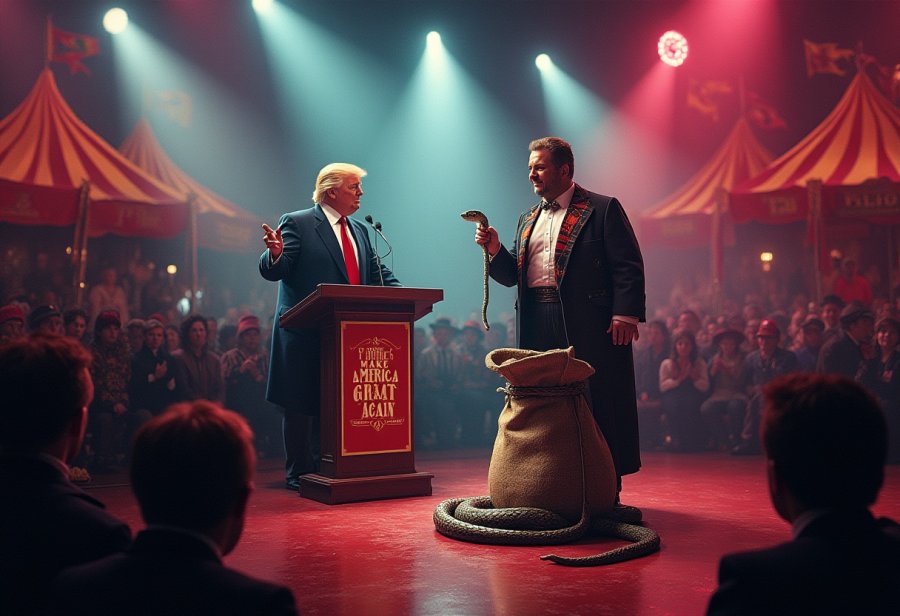
The roots of American showmanship reach back to the 19th century, where medicine shows and political rallies shared more similarities than most realize. Medicine shows were theatrical events designed to entertain as much as to sell cures. Vendors like Clark Stanley used vivid storytelling, dramatic demonstrations, and spectacle to captivate audiences. Stanley’s “Rattlesnake King” persona, for example, would dramatically pull a wriggling rattlesnake from a sack and slice into it with flair, all to create a scene that made the crowd gasp. The entertainment was as vital as the supposed medicine, blending vivid imagery and theatricality to stir feelings of hope and relief.
Meanwhile, political rallies adopted similar tactics—large crowds, rousing speeches, and visual spectacle—aimed at forging emotional bonds and rallying support. Leaders understood persuasion depended less on facts and more on entertainment and emotional resonance. Chants, banners, and theatrical cues transformed these events into emotionally charged experiences. Whether in fiery speeches of the early 20th century or modern televised campaigns, Americans have long appreciated leaders who command attention through spectacle and storytelling.
Both medicine shows and political rallies relied heavily on spectacle and emotion to influence their audiences. Performers like Stanley turned health remedies into entertainment, making trust and belief easier to foster. Today’s political figures borrow from this tradition—large rallies, bold visuals, and theatrical routines that evoke pride, anger, or hope. These moments create a shared emotional space, deepening bonds between leaders and supporters.
The core of this showmanship lies in performance, emotion, and identity. Leaders craft identities that seem authentic, often sharing personal stories or symbols that resonate deeply. They use vivid visuals and theatrical routines to turn gatherings into powerful emotional experiences. This legacy demonstrates that persuasion in America has long depended more on creating memorable moments than on detailed arguments or facts.
This tradition continues today, with modern campaigns borrowing from the same playbook. Visuals, symbols, and staged events keep followers engaged and emotionally invested. In this way, the history of American showmanship reveals a consistent pattern: spectacle and emotion often outweigh nuance and substance when shaping public support.
The Secrets Behind Charismatic Persuasion: Crafting Identity and Leveraging Spectacle
Charismatic leaders excel at creating identities that feel genuine and relatable, even when carefully curated. They craft stories, use symbols, and speak in language that strikes emotional chords—values, fears, hopes—that forge a shared sense of purpose. This isn’t accidental; it’s a deliberate strategy designed to build bonds that appear authentic. Leaders project confidence and certainty through their words and gestures, convincing followers they truly understand their struggles and hold the answers. By blending spectacle with emotional cues—dramatic gestures and memorable moments—they elevate themselves into symbols of hope or protection, making support feel personal and meaningful.
Many charismatic figures master the art of seeming authentic through simple, accessible language and personal anecdotes. They share struggles and triumphs that make them appear more human and approachable. Avoiding jargon, they speak directly to common experiences, which cultivates trust and relatability. Symbols and routines—touching a flag, engaging in familiar gestures—reinforce this impression, creating a sense of shared understanding that feels real, even if it’s heavily curated. This mix of storytelling and symbolism helps leaders craft identities that resonate deeply, fostering loyalty rooted in perceived sincerity rather than complete transparency.
Spectacle plays a crucial role in shaping perceptions. Leaders use vivid visuals—big banners, dramatic lighting, choreographed routines—that evoke strong feelings. Rousing speeches, chants, and symbolic acts—like waving flags or staged routines—turn gatherings into emotional experiences. These moments foster a collective sense of pride, anger, or hope, making supporters feel part of something larger than themselves. Spectacle isn’t just entertainment; it’s a strategic tool to deepen emotional bonds, making followers more receptive and loyal.
Leaders also understand that emotions often influence perceptions more than facts. They craft narratives that tap into shared fears, aspirations, or identities, reinforcing their role as protectors or saviors. When followers feel emotionally connected, they’re more likely to accept simple promises—even if lacking nuance or evidence. This emotional loyalty often surpasses logical reasoning, because it’s built on feelings and social bonds that seem real and personal.
Maintaining relevance requires constant adaptation. Charismatic figures tweak their messaging, introduce new symbols, and shift their tone to reflect current issues. This flexibility keeps their emotional appeal fresh and their followers engaged. For instance, a leader might emphasize economic nationalism in one campaign and social justice in another, using different visuals and language but maintaining the core emotional connection. This ongoing evolution ensures their influence persists, even as societal priorities shift.
Their power ultimately hinges on a carefully curated persona—one that feels authentic, protective, and relatable. They tell stories that highlight shared struggles, employ symbols that evoke collective memory, and stage events that stir pride or outrage. These efforts forge a deep emotional bond, making followers see them as part of their identity. This blend of storytelling, symbolism, spectacle, and adaptability creates a potent emotional alchemy that sustains influence long after the initial moment.
This mastery of persona isn’t just about individual traits; it’s about orchestrating moments that resonate on a visceral level. Leaders stage theatrical routines, craft memorable slogans, and use visual cues to evoke pride, fear, or hope. These moments turn support into a collective experience that reinforces loyalty and trust. The emotional bonds formed through spectacle and storytelling often outweigh detailed policies or facts, anchoring support in feelings and shared identity.
In the end, charismatic leaders understand that influence relies less on the literal truth of their words and more on the emotional and symbolic power of their performance. They create an illusion of authenticity that feels real, binding followers through shared stories and powerful visuals. This emotional alchemy—combining storytelling, symbolism, spectacle, and adaptability—is what keeps charismatic leaders influential, proving that in politics and beyond, perception often matters more than reality.
Understanding how charismatic leaders craft their personas can also be compared to the tactics used by historical figures like the Snake Oil Salesman, who relied on persuasive storytelling and spectacle to sell their products. Recognizing these techniques helps followers critically evaluate the authenticity of such performances and remain aware of manipulation. For more insights into the history of persuasive deception, see this article on Snake Oil Salesman.
Snake Oil’s Dual Identity: From Genuine Remedies to Symbols of Deception
The story of snake oil is more layered than the simple tale of deception it’s often reduced to. Originally, Chinese water snake oil was a genuine medicinal product brought to America by Chinese railroad workers in the 19th century. Rich in omega-3 fatty acids, it was used by traditional Chinese healers to treat joint pain, inflammation, and arthritis. When applied externally, it had real anti-inflammatory effects, and many believed in its healing powers. This authentic remedy was rooted in centuries of tradition and trusted by those who relied on it.
As it entered the American market, however, the narrative shifted dramatically. Vendors like Clark Stanley—dubbed the “Rattlesnake King”—rebranded and exaggerated its capabilities. Stanley claimed he learned his secrets from Hopi medicine men, erasing its Chinese origins and adding a mystical, exotic allure. He promised his snake oil could cure everything—from rheumatism to baldness—turning a legitimate product into a spectacle of quick-fix promises. His theatrical demonstrations—pulling rattlesnakes from sacks, slicing into them—transformed the oil into entertainment, blurring the line between truth and deception.
This transformation reveals how authentic remedies with proven benefits can be hijacked by spectacle and storytelling. When a natural product is taken out of its proper context and exaggerated, it becomes a symbol of false hope. Today, “snake oil” has become a metaphor for charlatans selling miracle cures—regardless of the original remedy’s scientific validity. The myth versus the reality of snake oil underscores a broader tendency: genuine healing often comes from science and tradition, but spectacle, greed, and deception can easily overshadow it.
The Allure of Quick Fixes: Why Americans Seek Easy Solutions Amid Complexity
Many Americans are naturally drawn to the idea of quick fixes, especially when life feels overwhelming or uncertain. Whether facing economic worries, social unrest, or political chaos, the desire for simple solutions offers a sense of control and hope. Charismatic leaders know this well—they craft messages that promise instant relief, framing complex problems in straightforward, often catchy slogans. These promises tap into a deep-seated need to believe that there’s an easy answer just around the corner, even when reality suggests otherwise.
This craving for rapid results isn’t just about convenience; it’s rooted in psychological tendencies. When faced with ambiguity or difficulty, humans prefer clear, definitive answers that make them feel safe and in charge. Leaders who exploit this tendency often present problems as black-and-white, offering quick fixes that seem to cut through confusion and frustration. This approach provides immediate emotional reassurance, even if the solutions are overly simplistic or impractical.
Historically, American culture has favored these narratives. Campaigns long relied on emotionally charged messages that simplify complex issues—think of FDR’s fireside chats or modern social media soundbites. These moments resonate because they make supporters feel understood and hopeful, reinforcing the idea that someone has the magic solution. The allure of quick answers fits neatly into the broader cultural pattern: many prefer comfort and certainty over nuance and patience.
Populist rhetoric often plays on these desires by framing problems as enemies or villains and promising swift, decisive action. Leaders tap into shared fears and aspirations, creating stories that feel urgent and manageable. This emotional simplicity breeds loyalty, even when the real-world problems are complicated and require long-term effort. Many people want to believe in miracles, and charismatic figures are masters at making those miracles seem within reach.
In a world full of complex challenges, the appeal of miracle cures—whether in medicine or politics—remains strong. It’s easier to buy into a story promising instant relief than to accept the messy, slow process of genuine problem-solving. Recognizing this tendency is key to fostering a more critical perspective and understanding why the search for quick fixes often overshadows the need for patience, nuance, and long-term solutions.
Mastering Influence: How Leaders Create Authentic-Seeming Personas and Use Spectacle
Charismatic leaders excel at creating identities that seem genuine and relatable, even when they are carefully crafted and curated. They tell compelling stories, use powerful symbols, and speak in language that resonates emotionally—values, fears, hopes—that forge a shared sense of purpose. These storytelling techniques aren’t accidental; they’re deliberate strategies designed to build bonds that appear authentic. Leaders project confidence and certainty through their words and gestures, convincing followers they truly understand their struggles and hold the solutions.
Many charismatic figures master the art of seeming authentic through simple, accessible language and personal anecdotes. They share struggles and triumphs that make them seem more human and approachable. By avoiding jargon and speaking directly to common experiences, they foster trust and relatability. Symbols and routines—touching a flag, engaging in familiar gestures—reinforce this impression, creating a sense of shared understanding that feels real, even if heavily curated.
Spectacle plays a crucial role in shaping perceptions. Leaders use vivid visuals—large banners, dramatic lighting, choreographed routines—that evoke strong feelings. Rousing speeches, chants, and symbolic acts—like waving flags or staged routines—turn gatherings into emotional experiences. These moments foster a collective sense of pride, anger, or hope, making supporters feel part of something bigger than themselves.
Leaders understand that emotions often influence perceptions more than facts. They craft narratives that tap into shared fears, aspirations, and identities, reinforcing their role as protectors or saviors. When followers feel emotionally connected, they’re more likely to accept simple promises, even if they lack nuance or evidence. This emotional loyalty surpasses logical reasoning, rooted in feelings and social bonds.
Maintaining relevance requires constant adaptation. Charismatic figures tweak their messaging, introduce new symbols, and shift their tone to reflect current issues. This flexibility keeps their emotional appeal fresh and their followers engaged. Whether emphasizing economic nationalism or social justice, they preserve the core emotional connection, ensuring their influence endures even as societal priorities evolve.
Their power ultimately hinges on a carefully curated persona—one that feels authentic, protective, and relatable. Leaders tell stories that highlight shared struggles, employ symbols that evoke collective memory, and stage events that stir pride or outrage. These efforts forge deep emotional bonds, making followers see them as integral to their identity.
This mastery isn’t just about individual traits; it’s about orchestrating moments that resonate on a visceral level. Leaders stage theatrical routines, craft memorable slogans, and use visual cues to evoke pride, fear, or hope. These moments transform support into a collective experience that reinforces loyalty and trust, often outweighing detailed policies or facts.
In the end, charismatic influence depends less on the literal truth of their words and more on the emotional and symbolic power of their performance. By creating illusions of authenticity through storytelling, symbolism, spectacle, and adaptability, leaders forge bonds that last beyond the initial encounter. This emotional alchemy sustains their influence, showing that in politics and beyond, perception often outweighs reality.
The Dangers of Spectacle: Risks and Societal Challenges of Charismatic Leadership
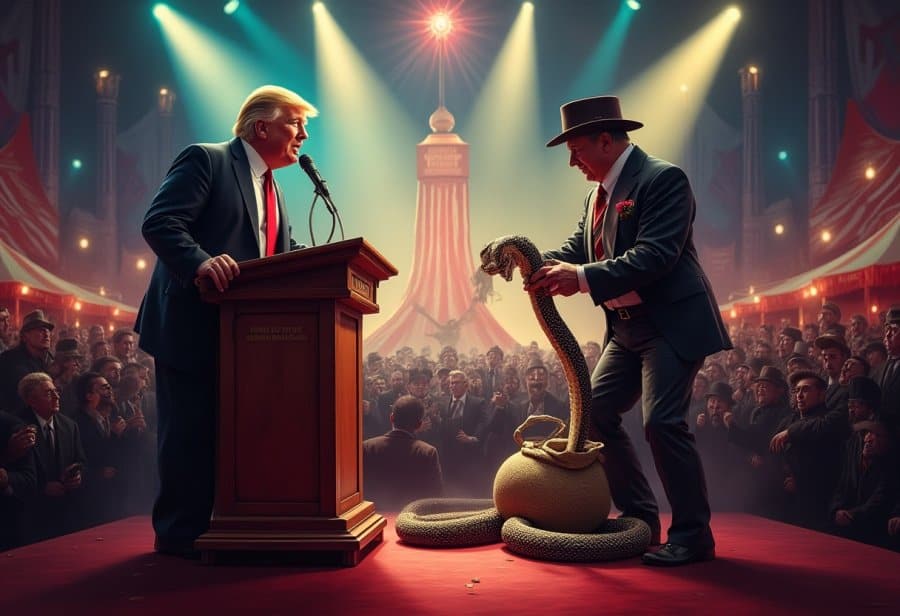
Relying heavily on spectacle and simple promises can pose serious risks to society. When leaders prioritize emotional appeal over substance, they manipulate fears and hopes, making it easier to spread misinformation and deepen distrust. Complex issues become reduced to catchy slogans or theatrical routines, bypassing critical thinking and leaving the public more vulnerable to false narratives. Over time, this dynamic can polarize communities and weaken institutions that are meant to provide checks and balances, paving the way for authoritarian tendencies to take hold.
The danger intensifies when followers start equating loyalty with unquestioning support rather than adherence to shared principles or facts. Emotional bonds built through spectacle can breed blind allegiance, allowing leaders to distort truths and make false promises without accountability. This environment fosters a cult-like atmosphere where dissent is silenced and the line between leader and savior blurs, threatening the core of democratic debate and transparency.
Counteracting these risks requires fostering media literacy and skepticism. Citizens need tools to critically evaluate information and recognize manipulation tactics rooted in entertainment. Civic education should emphasize evidence-based reasoning and the importance of institutions, helping people see beyond surface-level appeals. Encouraging diverse viewpoints and open dialogue can weaken echo chambers and reduce susceptibility to spectacle-driven deception.
Institutions play a vital role in this effort. Independent oversight bodies must challenge leaders who rely on entertainment rather than facts. Transparency and accountability are essential to prevent misinformation from spreading unchecked. Cultivating a culture that values truth and diverse perspectives acts as a buffer, ensuring public support remains grounded in reality rather than emotional manipulation.
Media outlets also influence the trajectory of political discourse. Promoting media literacy helps the public discern sensationalism and recognize tactics designed to mislead. An informed, skeptical society can better hold leaders accountable and demand evidence-based debate, making it harder for spectacle to dominate narratives.
Building societal resilience involves active engagement—through education, civic participation, and responsible journalism. Developing habits of questioning and analyzing information creates a more robust defense against superficial leadership. This approach helps safeguard democracy from the pitfalls of showmanship and oversimplification.
Recognizing these dangers is the first step toward fostering a more informed, critical society. Leaders who depend on spectacle and quick promises threaten the integrity of democratic institutions and the well-being of the community. Strengthening our collective ability to see through illusions ensures that power is rooted in truth, not just entertainment.