
In an era where rapid communication defines success, can traditional landlines truly support the dynamic needs of modern businesses, or are evolving technologies reshaping how companies connect and compete? This compelling exploration traces the transformation from fixed landlines to advanced VoIP and cloud-based systems, highlighting how innovation drives scalability, security, and seamless collaboration. As organizations increasingly rely on features like auto-attendants, video conferencing, and mobile integration, they must also navigate challenges around cybersecurity and regulatory compliance. The narrative probes whether these technological shifts merely improve efficiency or fundamentally redefine strategic advantage. With AI, 5G, and deeper platform integrations on the horizon, the future promises smarter, faster, and more secure communication—yet how will businesses harness these innovations without losing sight of inclusivity and control? This insightful overview invites reflection on whether reliable communication is still the backbone of success or if its evolution now determines a company’s ability to thrive.
Quick Navigation
Revolutionize Your Business Communications with FiberConX
Looking for reliable business phone service in Canada? FiberConX Communications specializes in VoIP and IP-based business phone solutions designed to enhance your company’s connectivity. Our services include advanced features like voicemail, IVR (Interactive Voice Response), Ring Groups, and voicemail-to-mail, ensuring seamless communication and improved customer experience. Whether you need a scalable system for your growing team or a robust solution to manage calls efficiently, FiberConX has you covered. Contact our dedicated team at [email protected] or call 1.416.945.9210 to learn how our business phone service can transform your business today.
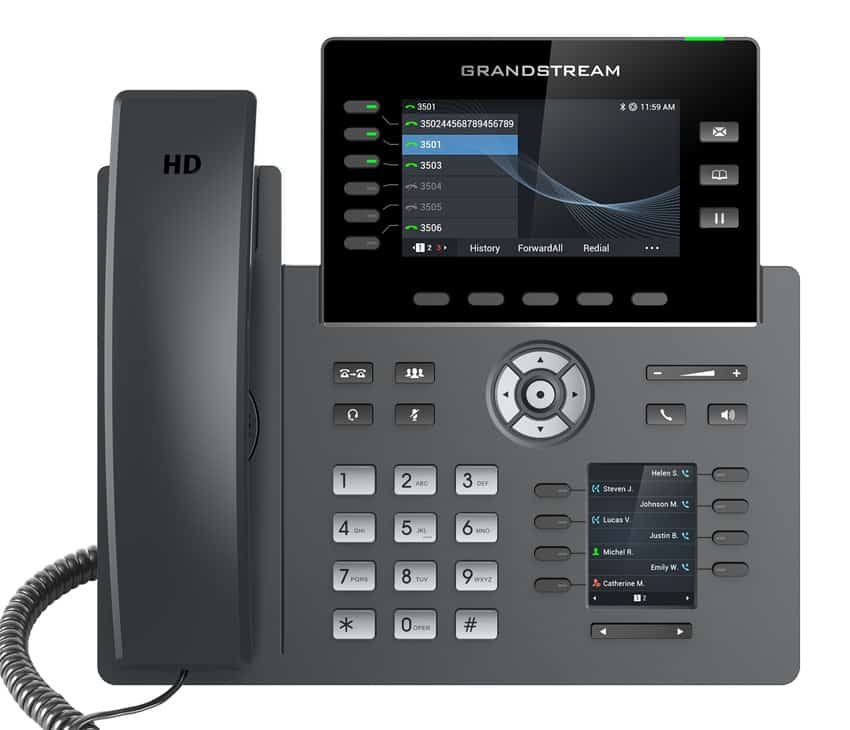
The Evolution of Business Communication: From Landlines to Cloud Platforms
In today’s fast-moving business landscape, staying connected is more than just a convenience—it’s a critical component of success. Reliable communication systems are the backbone that keeps organizations running smoothly, enabling teams to collaborate effectively, serve customers efficiently, and respond swiftly to market changes. As technology advances, the tools businesses rely on to communicate have undergone a remarkable transformation, reshaping the way companies operate and compete.
The journey began with traditional landline phones, which provided dependable voice connectivity but came with significant limitations. These fixed systems tethered organizations to specific locations, making remote work and flexible arrangements difficult. They also lacked many features now considered essential, such as call forwarding, voicemail, and auto-attendants. While reliable, landlines couldn’t keep pace with the dynamic needs of modern businesses seeking agility and scalability.
Digital phone systems emerged as a step forward, offering clearer call quality and added features like multiple lines and basic call management. However, they still depended on physical infrastructure, which made scaling costly and complex for expanding organizations. Despite improvements, they didn’t fully address the demand for adaptable, cost-effective communication solutions that support growth and remote work.
The real revolution arrived with Voice over Internet Protocol (VoIP). By transmitting voice calls over the internet, VoIP drastically reduces costs and allows for easy scalability. Businesses can add or remove lines instantly, without hardware upgrades, and enjoy features like video conferencing, auto-attendants, and mobile integration. This shift transformed business communication from a hardware-dependent process into a flexible, feature-rich ecosystem.
Today, cloud-based communication platforms dominate the landscape. These systems centralize management, facilitate remote team collaboration, and support rapid deployment. They enable organizations of all sizes to grow seamlessly, whether expanding to new locations or supporting hybrid and fully remote teams. Enhanced security and compliance features ensure conversations remain private and protected, addressing critical industry standards.
As technology continues to evolve, innovations like AI-powered support, 5G connectivity, and deeper platform integrations promise faster, smarter, and more secure communication channels. This ongoing evolution emphasizes the importance of investing in modern tools that keep organizations competitive, connected, and responsive in an increasingly connected world. Understanding this progression highlights why reliable, innovative communication is no longer just a tool but a strategic asset for success.
Tracing the Technological Shift in Business Phone Services
The story of business phone services is one of continuous innovation, driven by the need for better, more flexible ways to connect. It all started with landlines—fixed, wired systems that offered reliable voice communication but kept companies tied to specific locations. While dependable, these systems limited growth and remote work, and they lacked features now considered standard, like call forwarding or voicemail. As organizations expanded, it became clear that traditional landlines couldn’t keep pace with evolving demands.
Digital phone systems then entered the scene, providing clearer call quality and features such as multiple lines and basic call management. They represented a meaningful upgrade but still relied heavily on physical infrastructure, making scaling expensive and complex. For growing businesses, this often meant significant hardware investments and longer deployment times, which could hinder agility.
The real turning point came with Voice over Internet Protocol (VoIP). By transmitting voice calls over the internet, VoIP drastically lowered costs and offered unprecedented flexibility. Companies could add or remove lines instantly, without hardware upgrades, and integrate advanced features like auto-attendants, video conferencing, and mobile support. This shift transformed business communication from a hardware-dependent process into a dynamic, feature-rich ecosystem.
Cloud-based platforms built on VoIP technology soon took center stage. These solutions allow centralized control, remote management, and rapid deployment, making them ideal for businesses of all sizes. As organizations grow, they can seamlessly add locations, support remote teams, or implement new features without disrupting operations. Enhanced security measures—such as encryption and compliance tools—have become standard to protect sensitive conversations and meet industry standards.
Over time, the focus has shifted toward smarter, more integrated systems. Features like intelligent call routing, AI-powered support, and real-time analytics now help organizations improve customer experiences and internal efficiency. These innovations enable quicker responses, personalized interactions, and better resource management, elevating communication from a basic utility to a strategic asset.
Today, the evolution from landlines to cloud-based, internet-driven solutions reflects a broader digital transformation. Modern business phone services are not just about making calls—they’re about supporting growth, enabling remote work, and delivering a professional image in a competitive market. Keeping pace with these advancements is essential for companies aiming to stay agile, connected, and customer-focused in a rapidly changing landscape.

Navigating the Modern Digital Landscape of Business Communication
Today’s business communication landscape is defined by digital solutions that prioritize flexibility, mobility, and seamless integration. Cloud-based phone systems are now the norm for many organizations, offering scalable features that grow with the business. These platforms come equipped with auto-attendants, smart call routing, voicemail-to-email, and instant messaging, all designed to create a more professional and efficient interaction experience. Managing these tools through a single dashboard simplifies operations, allowing quick adjustments in response to market shifts.
Voice over Internet Protocol (VoIP) remains at the core of this transformation. It enables voice calls over the internet, slashing costs and supporting rapid expansion. Adding new lines or adjusting configurations is as simple as a few clicks, eliminating the need for hardware upgrades. Features like video conferencing, auto-attendants, and mobile integration have become standard, helping organizations provide a polished customer experience while fostering internal agility.
Security has become a top priority as digital communication faces increasing cyber threats. Modern platforms incorporate encryption, compliance measures, and data protection tools to safeguard conversations. These features are especially vital for sectors like finance, healthcare, and legal services, where confidentiality isn’t optional. Protecting sensitive information helps build trust and ensures regulatory compliance, making security a fundamental part of any modern business communication system.
The shift from traditional landlines to internet-based systems has been swift and widespread. Landlines, once the backbone of business communication, are increasingly seen as outdated due to their inflexibility and high maintenance costs. Cloud-based solutions offer greater agility, enabling remote work, quick deployment, and easier management. This transition aligns with broader digital trends, helping organizations stay competitive and responsive in a fast-changing environment.
Advanced features like intelligent call routing, IVR menus, and real-time analytics are reshaping customer engagement. These tools ensure callers reach the right department quickly, reducing wait times and frustration. For internal teams, mobile apps and remote access keep employees connected from anywhere, supporting a dynamic, responsive work environment. This integrated approach enhances both customer satisfaction and operational efficiency.
Many organizations have already benefited from these modern systems. Retailers using cloud platforms manage high call volumes during peak hours more effectively, resulting in faster responses and a more professional image. Healthcare providers leveraging video and mobile apps improve patient engagement through remote consultations. These examples demonstrate how updated communication tools directly impact efficiency, customer service, and growth.
The continuous evolution of these technologies promises even more innovative capabilities. AI-powered support, 5G connectivity, and deeper platform integrations will enable faster, smarter, and more secure communication channels. These advancements will support proactive service, personalized experiences, and automated responses, turning communication into a strategic advantage rather than just a utility.
Staying ahead in this landscape requires organizations to adopt scalable, secure, and flexible solutions. Embracing ongoing innovation ensures they can respond swiftly to emerging demands, maintain competitiveness, and meet rising customer expectations. As digital communication becomes ever more embedded in business operations, those who leverage these trends will be better positioned for sustained success.
For organizations looking to upgrade their communication infrastructure, exploring reliable options like a business phone service can make a significant difference. Such services provide the scalability and security necessary to support growing business needs and ensure seamless connectivity across teams and clients alike.
Real-World Impact of Modern Phone Solutions on Business Performance
Modern business phone solutions have a direct and tangible impact on daily operations and overall performance. Features like auto-attendants and intelligent call routing ensure customer inquiries are handled swiftly and efficiently, reducing wait times and projecting a polished, professional image. This not only boosts customer satisfaction but also builds trust and loyalty, which are vital in competitive markets. When customers experience quick, clear communication, they’re more likely to stay engaged and recommend your services.
For internal teams, tools such as voicemail-to-email and mobile integration make collaboration smoother, especially in remote or hybrid setups. Employees can respond to messages and stay connected from anywhere, maintaining productivity and seamless workflows. These capabilities turn communication from a potential bottleneck into a strategic advantage, enabling faster decision-making and more responsive service delivery.
Scalability is a key benefit of cloud-based systems. As a business grows, adding users, numbers, or features is simple and quick, without the need for costly hardware or complex reconfigurations. This flexibility supports expansion into new markets or the development of new services. Additionally, these systems are designed with disaster recovery in mind—calls can be rerouted to mobile devices or backup lines if hardware fails, ensuring operations remain uninterrupted even during unexpected disruptions.
Beyond operational efficiency, advanced features elevate the customer experience. Automated menus and personalized call routing direct callers to the right department immediately, reducing frustration and enhancing professionalism. Voicemail-to-email ensures messages are received and addressed promptly, even outside of working hours. Video conferencing integrations foster face-to-face interactions, helping build stronger relationships when in-person meetings aren’t possible, thus maintaining a human touch in digital communication.
Many organizations already see the benefits of modern communication tools. Retailers managing high call volumes during peak hours improve response times and project a more professional image. Healthcare providers offering remote consultations via video and mobile apps enhance patient engagement and convenience. These real-world examples highlight how adopting updated systems can boost operational agility, customer satisfaction, and long-term growth.
Investing in these solutions isn’t just about technology; it’s about aligning communication tools with strategic business goals. Proper training ensures staff leverage features effectively, while regular reviews optimize system performance. By embracing these advancements, companies can stay agile, deliver better service, and maintain a competitive edge in an increasingly connected and fast-paced marketplace.

Future Frontiers: Innovations and Trends Shaping Business Communication
Looking ahead, the future of business communication is poised for rapid transformation driven by technological innovation. Artificial intelligence is already reshaping support systems, enabling personalized customer experiences and automating routine tasks to increase efficiency. As 5G networks expand, organizations will benefit from ultra-fast, reliable connectivity that supports real-time video, instant data sharing, and seamless remote collaboration across global teams. These advancements will not only streamline operations but also open new opportunities for proactive service and smarter decision-making.
Security will remain a top priority as communication platforms become more sophisticated. Enhanced encryption, compliance protocols, and data protection tools will become standard, ensuring conversations stay private and meet industry standards. For sectors like healthcare, finance, and legal services, safeguarding sensitive information is non-negotiable, and robust security measures will be essential to maintaining trust and regulatory compliance in an increasingly digital landscape.
Integration of voice systems with broader digital platforms will deepen, creating a more interconnected ecosystem. Voice-enabled AI, customer relationship management (CRM) tools, and analytics will work together to deliver highly personalized, efficient experiences. This interconnectedness will facilitate faster responses, automated processes, and insights-driven strategies, transforming communication from a simple utility into a core strategic asset that enhances overall business agility.
Organizations that recognize these trends and adapt quickly will gain a significant competitive edge. Investing in scalable, flexible, and secure communication infrastructure becomes critical—not just to keep pace but to lead in their markets. Embracing emerging technologies and continuously refining digital communication strategies will enable businesses to respond swiftly to market shifts and customer expectations, ensuring sustainable growth.
While these innovations promise great potential, they also bring challenges like digital disparities and increased platform complexity. Bridging connectivity gaps and managing evolving systems will require ongoing attention and investment. Striking a balance between innovation and inclusivity will be vital to ensure these advancements benefit organizations of all sizes and sectors, fostering a more connected, resilient, and equitable digital future.