
Neglecting professional HVAC services can unknowingly jeopardize your safety, comfort, and energy efficiency. While these systems are essential for maintaining healthy indoor environments, many overlook the critical importance of routine maintenance and safety inspections. Poorly maintained HVAC systems risk dangerous gas leaks, electrical faults, and system failures—especially during extreme weather conditions when reliable operation is vital. Advances in technology, from smart sensors to eco-friendly materials, promise a safer future, but are we prepared to embrace these innovations? This content explores how regular, expert servicing not only extends equipment lifespan and reduces costs but also safeguards against unseen hazards. As industry standards evolve, understanding the importance of professional HVAC care becomes more crucial than ever. Are we underestimating the power of these systems to protect our health and safety year-round? The answer may determine how secure and comfortable we are in our homes and workplaces tomorrow.
Expert Solutions for No Heat Issues in the Greater Toronto Area
When facing no heat problems in your home, Tempasure Heating and Air Conditioning is your trusted local expert. Specializing in furnace heating, boiler & hydronic systems, fireplaces, and modular split AC systems, we ensure your comfort year-round. Our comprehensive HVAC services in the Greater Toronto Area include central AC, ductless AC systems, and complete heating solutions tailored to your needs. Whether you need quick repairs or a new installation, our team is ready to restore your warmth efficiently. Contact us today at [email protected] or call 416.806.6111 for professional assistance and reliable service that keeps your home cozy all winter long.
Ensure Year-Round Comfort and Safety with Professional HVAC Maintenance
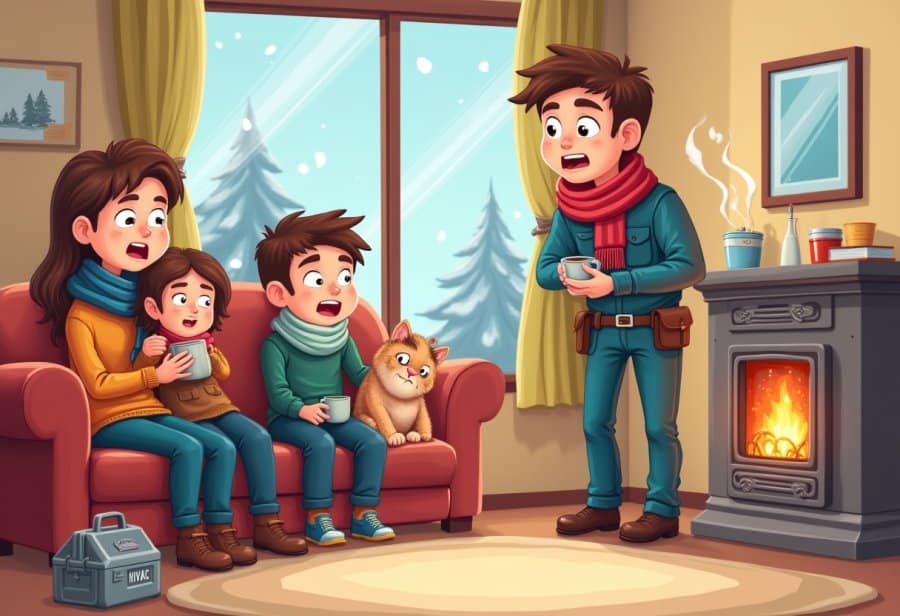
Keeping your indoor environment comfortable, safe, and efficient year-round depends heavily on professional HVAC services. These systems are intricate, and their optimal operation requires regular maintenance by skilled technicians. When experts perform routine checkups, they help prevent unexpected breakdowns, extend equipment lifespan, and keep energy bills manageable. As seasons change, the importance of professional service becomes even clearer, since it reduces risks like carbon monoxide leaks or electrical faults and ensures your system is prepared for extreme weather conditions.
HVAC systems—including heating, ventilation, and air conditioning—serve as the backbone of indoor climate control. They work together to provide warmth in winter, cooling in summer, and clean air throughout the year. For homeowners, a well-maintained system means comfort and safety for their families, while businesses benefit from a stable environment that supports productivity and protects sensitive equipment. Regular maintenance by qualified technicians ensures these components operate safely and efficiently, directly impacting energy costs and indoor air quality.
Routine servicing by trained professionals is key to avoiding costly repairs and system failures. Tasks such as cleaning filters, inspecting electrical connections, and checking refrigerant levels are simple but vital steps that catch issues early. Neglecting these can lead to increased wear on parts, higher energy consumption, and unexpected breakdowns—often at the worst possible time. Investing in scheduled maintenance offers peace of mind, knowing your system is reliable and safe regardless of the season.
Ignoring professional HVAC services can pose serious safety hazards. Systems that aren’t inspected regularly may develop leaks of dangerous gases like carbon monoxide, which is odorless and potentially deadly. Electrical faults or faulty wiring can also cause fires or shocks. Dirty or clogged components risk overheating or malfunctioning, leading to costly repairs or dangerous situations. Small problems left unchecked can escalate into emergencies, especially during extreme weather when dependable operation is critical.
Maintaining indoor air quality and safety is another crucial role of HVAC professionals. Regular inspections and cleaning ensure filters remove dust, allergens, and pollutants effectively. Technicians also check for mold, bacteria, and other contaminants that thrive in damp or poorly ventilated systems. Proper ventilation reduces the buildup of harmful gases like carbon monoxide, safeguarding health and creating a safe environment for everyone inside. Well-maintained HVAC systems not only enhance comfort but also protect your health.
Choosing licensed professionals for HVAC work guarantees adherence to safety standards and industry best practices. Their expertise ensures systems are maintained correctly, reducing hazards caused by DIY repairs or improper handling. Regular professional service isn’t just about keeping systems running; it’s a vital step in safeguarding your home or business from unseen dangers and ensuring a safe, healthy indoor environment all year long.
Tracing the Evolution and Standards That Shape Modern HVAC Safety
The evolution of HVAC systems has fundamentally shaped how we experience indoor comfort and safety today. In the past, heating relied on simple methods like fireplaces and stoves, which offered warmth but came with risks such as fires and uneven heating. As buildings grew taller and more complex, there was a clear need for safer, more reliable solutions. This led to the development of central heating systems that provided controlled warmth across entire structures, significantly reducing the dangers associated with open flames and inefficient appliances.
The 20th century marked a turning point with the rise of air conditioning. Initially designed for industrial and commercial use, these systems gradually became common in homes, transforming indoor environments. Air conditioning not only boosted comfort but also improved health by reducing mold, dampness, and airborne pollutants. This shift made indoor spaces safer and more livable, especially in regions with extreme weather conditions, supporting both comfort and safety.
Advancements in technology brought about stricter safety standards and building regulations. Organizations like ASHRAE and NFPA established guidelines for electrical wiring, refrigerant handling, and ventilation, all aimed at minimizing hazards. These standards are regularly updated to incorporate new insights and innovations, ensuring that modern HVAC systems meet evolving safety and efficiency benchmarks. This ongoing regulation has been key in fostering safer indoor environments.
Modern innovations, such as heat pumps and smart HVAC systems, have further enhanced safety and efficiency. Heat pumps offer year-round climate control with fewer components, while automation and sensors enable real-time monitoring. These technologies can detect early signs of hazards like refrigerant leaks or electrical faults, allowing for quick intervention. Additionally, environmentally friendly refrigerants and improved materials reduce chemical risks and leak potential, making systems safer over the long term.
The push toward sustainable materials and safer chemicals has also played a crucial role. Newer refrigerants are less toxic and more stable, reducing chemical exposure risks. Sealed systems and advanced insulation techniques prevent leaks and enhance durability, especially in sensitive environments. These improvements have made HVAC systems more resilient, safer, and easier to maintain, supporting long-term safety and operational reliability.
Today, HVAC systems are integral to building safety and health standards. They support not only comfort but also indoor air quality by reducing pollutants and preventing hazardous gas buildup. As industry standards continue to evolve, the focus remains on developing smarter, safer systems that prioritize occupant well-being. This ongoing progress ensures that indoor climate control will continue to serve as a cornerstone of safety and comfort well into the future.
Current Norms and Practices that Keep Your HVAC Systems Safe
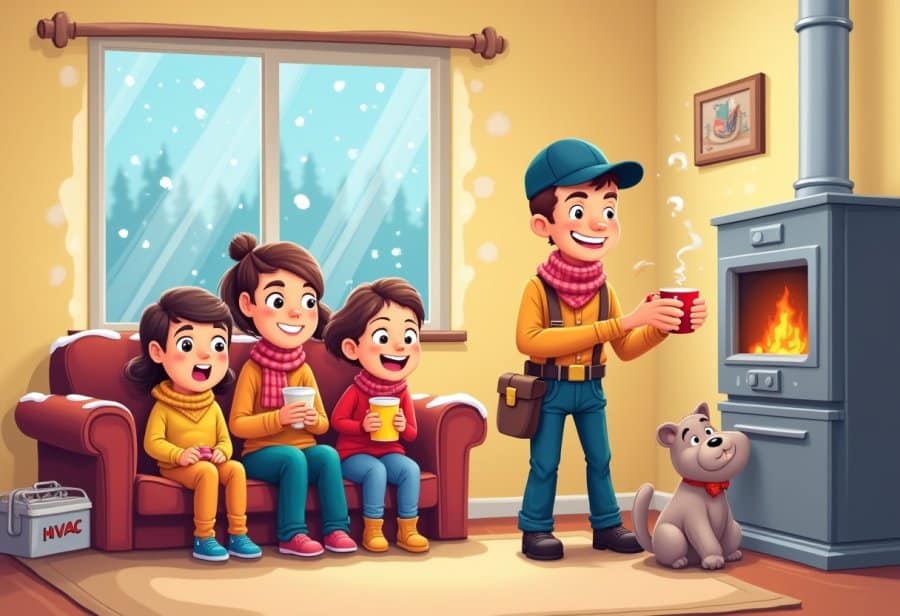
Today, HVAC maintenance and safety protocols are well-established and rigorously followed by licensed professionals. Routine inspections typically include cleaning or replacing filters, checking electrical connections, verifying refrigerant levels, and testing safety devices like carbon monoxide detectors. These steps are essential for early problem detection, preventing costly repairs, and ensuring systems operate safely and efficiently. Advances in diagnostic tools allow technicians to identify issues quickly, making maintenance more precise and effective.
Technicians also inspect ductwork for leaks, obstructions, or mold that could compromise indoor air quality or system performance. Proper ventilation is crucial for removing pollutants and preventing the buildup of harmful gases. Regular calibration of thermostats and safety controls ensures the system responds correctly in emergencies, maintaining safe indoor conditions. These standard procedures form the foundation of safe HVAC operation in both residential and commercial settings.
Modern technology has introduced digital monitoring and automation, enabling proactive maintenance. Sensors now track system performance continuously, alerting homeowners or technicians to issues before they escalate. Smart systems can automatically adjust settings to optimize comfort and safety, reducing energy waste and preventing hazards. This integration of automation with routine inspections enhances overall safety and keeps systems running smoothly.
Adherence to industry standards and safety codes remains critical. Organizations like ASHRAE and NFPA set guidelines for electrical wiring, refrigerant handling, ventilation, and leak prevention. Licensed technicians are trained to follow these rules meticulously, ensuring compliance and safety. Local building codes also dictate proper installation and repair procedures, emphasizing the importance of professional oversight.
Recent innovations include the use of safer refrigerants and corrosion-resistant materials. These improvements diminish leak risks and chemical exposure hazards, making systems safer over time. Automated safety features such as leak detectors and shut-off switches respond instantly to abnormal conditions, providing an added layer of protection. These advancements reflect the industry’s ongoing commitment to safeguarding both occupants and property.
Despite these robust practices, challenges remain—particularly with DIY repairs. Many homeowners lack the training to handle complex systems safely, risking electrical shocks, refrigerant leaks, or fires. Professional servicing ensures systems are maintained correctly and hazards are minimized. Trusting licensed technicians not only preserves safety but also extends the lifespan of HVAC equipment, making it a wise investment.
In essence, current HVAC maintenance and safety protocols focus on preventive care, technological integration, and strict compliance with established standards. These practices keep systems operating efficiently, protect indoor air quality, and prioritize occupant safety. Regular professional service remains the most reliable way to ensure your HVAC system continues to serve its vital role safely and effectively year-round.
For those seeking reliable heating solutions, exploring professional services can make a significant difference. Properly maintained heating systems are essential for comfort and safety during colder months, and finding trusted providers ensures you receive expert care. To learn more about top-quality heating options, visit Heating.
Applying HVAC Services to Protect and Enhance Indoor Environments
HVAC services are essential across a wide range of real-world scenarios, consistently ensuring safety and comfort. In homes, regular maintenance keeps heating and cooling systems running smoothly, especially during extreme weather conditions. For example, routine inspections and filter replacements prevent dangerous issues like carbon monoxide leaks or sudden system failures that could leave families vulnerable during cold winter nights or heatwaves. Addressing small problems early with professional servicing helps avoid costly emergencies and keeps indoor environments safe.
In commercial settings, HVAC systems support a stable and healthy workspace. Properly maintained climate controls are vital for businesses—whether it’s maintaining an inviting retail environment or protecting sensitive equipment in data centers and laboratories. Consistent servicing reduces disruptions, lowers energy costs, and improves indoor air quality, directly impacting safety and productivity. For instance, a restaurant’s well-maintained air conditioning prevents food spoilage and ensures customer comfort, which is crucial for safety and satisfaction.
During extreme weather events or emergencies, HVAC technicians play a critical role in diagnosing and repairing urgent issues swiftly. Refrigerant leaks, electrical faults, or ventilation blockages can pose serious hazards if left unaddressed. Emergency support ensures that these systems are restored quickly, minimizing risks like mold growth, toxic gas buildup, or fire hazards. Access to reliable professional services during such times not only reduces danger but also prevents costly downtime, protecting both property and health.
HVAC professionals also perform specialized services like duct cleaning and indoor air quality assessments. These are especially important for vulnerable populations—children, the elderly, or those with respiratory conditions—who are more susceptible to pollutants. Removing dust, mold, and other contaminants from ductwork improves indoor air safety and helps prevent health issues, creating a healthier environment year-round. Technicians identify hidden hazards and recommend measures that keep indoor spaces safe and clean.
In environments such as hospitals, laboratories, and manufacturing facilities, HVAC systems are tailored to meet strict safety and operational standards. Precise climate control prevents contamination, safeguards sensitive inventory, and supports critical processes. Regular maintenance and calibration by certified experts ensure these systems operate flawlessly, minimizing the risk of hazardous failures. This proactive approach not only enhances safety but also ensures ongoing compliance with industry regulations, protecting both people and assets.
Long-term, professional HVAC services extend equipment lifespan by preventing excessive wear and tear. Routine inspections, cleaning, and timely part replacements reduce the likelihood of sudden breakdowns, saving money and avoiding inconvenience. Well-maintained systems also consume less energy, lowering operational costs and environmental impact. This ongoing care is especially vital during colder months when system failure can threaten safety and comfort, emphasizing the importance of proactive maintenance.
Choosing licensed professionals guarantees adherence to safety standards and best practices. Their expertise ensures repairs and maintenance are performed correctly, reducing risks associated with DIY fixes or improper handling. Reliable HVAC service not only safeguards your investment but also provides peace of mind, knowing your indoor environment remains safe and comfortable through every season. Investing in regular professional care is a key step toward long-term safety and efficiency.
Ultimately, HVAC services are about more than just comfort—they are a safeguard for safety, health, and operational stability. Whether in residential or commercial spaces, routine professional maintenance prevents hazards, boosts efficiency, and ensures systems function reliably when it matters most. Proper application of these services creates environments where safety and comfort go hand in hand, protecting everyone inside and supporting peace of mind for years to come.

Innovating the Future: How Technology Will Redefine HVAC Safety and Efficiency
The future of HVAC safety and efficiency is set to undergo a transformative shift driven by cutting-edge technology and innovative materials. Smart sensors and artificial intelligence will become integral, continuously monitoring indoor conditions and detecting potential hazards like refrigerant leaks or electrical faults long before they pose risks. These intelligent systems won’t just send alerts—they’ll proactively adjust settings to prevent accidents, making HVAC operation safer and more reliable without requiring constant human oversight.
Advancements in environmentally friendly refrigerants and durable materials are also reshaping the landscape. New chemicals are less toxic and more stable, significantly reducing chemical exposure and leak risks. Meanwhile, sealed systems and advanced insulation techniques will prevent leaks altogether, simplifying maintenance and enhancing system longevity. These improvements mean HVAC systems will be safer to operate over the long term, even in demanding or high-occupancy environments.
The integration of the Internet of Things (IoT) will enable remote diagnostics and real-time performance tracking. Homeowners and technicians will be able to oversee system health from anywhere, receiving instant alerts if something goes wrong. This connectivity allows for proactive maintenance, catching issues early and avoiding emergency breakdowns. It ensures systems are functioning safely and efficiently, reducing energy waste and lowering operational costs while safeguarding occupant well-being.
As these innovations take hold, industry standards and regulations will evolve to keep pace. Future safety codes will emphasize real-time monitoring, leak detection, and the use of safer, eco-friendly materials. Compliance won’t just be a matter of legal obligation but will become an essential part of ensuring long-term safety and system resilience. Manufacturers and technicians will need to adapt quickly, integrating smarter solutions that prioritize occupant safety alongside energy efficiency.
Looking ahead, the convergence of artificial intelligence, automation, and sustainable materials promises HVAC systems that are inherently safer, more energy-efficient, and easier to maintain. These systems will not only create healthier indoor environments but also reduce environmental impact and operational costs. Staying informed about these emerging trends and adopting new technologies will be crucial for professionals and consumers alike, ensuring that indoor climate control continues to enhance safety, comfort, and sustainability well into the future.